
Best Fitness Smartwatches Under $100 for Health Tracking
Health tracking is no longer reserved for flagship wearables. In 2026, sub-$100 devices deliver continuous heart-rate monitoring, SpO2 sensors, stress tracking, and detailed sleep analysis that rivals premium bands from just a few years ago. We tested the best budget options to find the ones that actually improve your daily wellness habits.
Disclosure: TechGearHunt is reader-supported. When you buy through links on our site, we may earn an affiliate commission.
What Health Tracking Features Matter Under $100
- 24/7 heart-rate with resting-trend alerts
- Blood oxygen (SpO2) spot checks and sleep averages
- Stress-tracking via heart-rate variability
- Sleep stages (light, deep, REM, awake)
- Skin temperature variation during sleep
- Women’s health cycle tracking
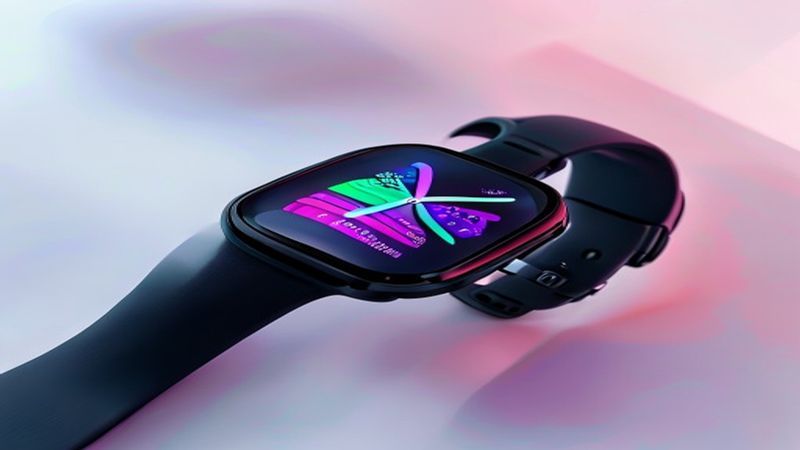
Best Health-Focused Trackers Under $100
| Tracker | Price | Key Features | Rating |
|---|---|---|---|
| Fitbit Charge 5 | $99.95 | EDA stress sensor, built-in GPS, Daily Readiness | 4.4/5 |
| Amazfit Band 7 | $49.99 | 1.47-inch AMOLED, 120 sports modes, 18-day battery | 4.3/5 |
| Samsung Galaxy Fit 3 | $59.99 | Fall Detection, 100+ workouts, 13-day battery | 4.2/5 |
1. Fitbit Charge 5
The Charge 5 is the only tracker in this bracket with an EDA stress sensor that measures electrodermal activity through your skin. Combined with SpO2, skin temperature, and Fitbit’s Daily Readiness Score, it provides a holistic wellness dashboard that genuinely influences behavior.
Pros:
- EDA sensor for real-time stress detection
- Built-in GPS for phone-free outdoor workouts
- Fitbit Premium unlocks deeper trends
- Bright AMOLED color display
Cons:
- Battery drops to 3-4 days with GPS enabled
- No physical button for wet-finger use
2. Amazfit Band 7
Amazfit continues to redefine budget expectations. The Band 7 squeezes a 1.47-inch AMOLED into a band barely wider than a postage stamp, supports 120 workout modes, and runs for over two weeks between charges. The Zepp app tracks sleep, stress, and menstrual cycles without a subscription paywall.
Pros:
- Largest screen in the sub-$50 class
- 18-day battery is unmatched at this price
- PAI health assessment score
- Offline Alexa built in
Cons:
- GPS requires phone tethering
- Screen brightness dips in direct sun
3. Samsung Galaxy Fit 3
Samsung’s first Fit-branded tracker in years delivers Samsung Health integration, Fall Detection, and a surprisingly premium aluminum body for under sixty dollars. The large rectangular display shows notifications clearly, and the 13-day battery means you rarely hunt for the charger.
Pros:
- Fall Detection and Emergency SOS
- Samsung Health ecosystem sync
- 100+ preset workout profiles
- Quick-reply for Android notifications
Cons:
- Works best within Samsung/Android environments
- No altimeter for stair climbing
Final Verdict
If health data is your primary goal and you can stretch to the top of the budget, the Fitbit Charge 5 is the clear winner thanks to its EDA sensor, built-in GPS, and deep insight ecosystem. For sheer value, the Amazfit Band 7 delivers 90 percent of the functionality at half the price, while the Samsung Galaxy Fit 3 is the safest bet for Android users who want Emergency SOS and tight phone integration.