
Best Fitness Smartwatches Under $200 for Athletes
Serious training demands reliable data. A dedicated fitness smartwatch under $200 gives athletes GPS accuracy, heart-rate zones, recovery insights, and structured workout modes without draining the budget. After testing dozens of wearables on the road, trail, and in the pool, here are the standouts that punch above their price.
Disclosure: TechGearHunt is reader-supported. When you buy through links on our site, we may earn an affiliate commission.
What Athletes Need in a Sub-$200 Watch
- GPS + GLONASS for precise pace and route mapping
- Structured workout modes (intervals, tempo, long runs)
- Heart-rate variability (HRV) and recovery recommendations
- Water resistance to 5 ATM for pool and open-water swimming
- Barometric altimeter for hill and elevation data
- Custom data screens during activity
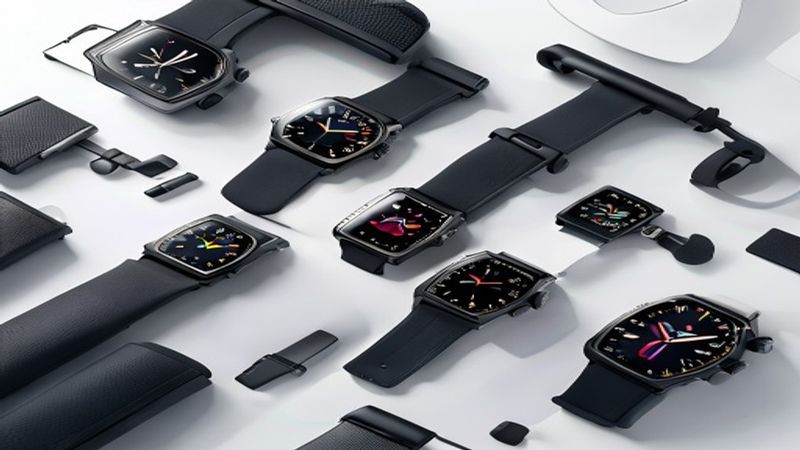
Top Picks for Athletes Under $200
| Smartwatch | Price | Key Features | Rating |
|---|---|---|---|
| Garmin Forerunner 55 | $199.99 | GPS, Garmin Coach, PacePro, race predictor | 4.5/5 |
| Coros Pace 3 | $169.00 | Dual-frequency GPS, 17-day battery, EvoLab metrics | 4.4/5 |
| Fitbit Charge 6 | $159.95 | Built-in GPS, Active Zone Minutes, Google Maps | 4.3/5 |
1. Garmin Forerunner 55
The Forerunner 55 is the gateway drug to Garmin’s running ecosystem. It inherits the same satellite chipset as models costing twice the price, delivers rock-solid GPS tracks on tree-covered trails, and adds Garmin Coach adaptive plans that adjust weekly targets based on your actual performance.
Pros:
- PacePro race-day pacing strategy built in
- Recovery advisor after every workout
- Incident detection and live tracking
- Two-week battery in smartwatch mode
Cons:
- No music storage or payments
- Monochrome display lacks visual pop
2. Coros Pace 3
Coros disrupted the running market by stuffing dual-frequency GPS, an altimeter, and 17-day battery life into a 29-gram case. The Pace 3 syncs with Stryd, TrainingPeaks, and Final Surge natively, making it a favorite among structured-training athletes who live by data.
Pros:
- Dual-frequency GPS holds signal in urban canyons
- EvoLab fatigue and fitness trend modeling
- Ultra-lightweight at 29 grams
- Knuckle-dial control works with sweaty fingers
Cons:
- Smaller third-party app ecosystem
- No on-watch navigation maps
3. Fitbit Charge 6
While technically a tracker, the Charge 6 earned its spot here by adding built-in GPS and Active Zone Minutes to a slim band that disappears on the wrist. Google Maps turn-by-turn navigation and YouTube Music controls round out a surprisingly capable endurance package.
Pros:
- Lightest option for wrist-averse athletes
- Google Maps navigation without a phone
- Seamless Fitbit Premium insights
- Sleep Score and Stress Management scores
Cons:
- Shorter battery with GPS enabled
- Smaller screen limits mid-run readability
Final Verdict
For dedicated runners and triathletes, the Garmin Forerunner 55 remains the gold standard under $200 because its GPS accuracy, structured workouts, and recovery guidance mirror the experience of Garmin’s premium lineup. If you want the absolute lightest option with cutting-edge satellite tracking, the Coros Pace 3 is the dark-horse pick, while the Fitbit Charge 6 wins for casual athletes who prize lifestyle integration over raw training data.